
Enrolling in Medicare at the right time is important to avoid any late enrollment penalties and gaps in coverage. In this blog post, we will discuss when somebody can enroll in Medicare.
There are three main periods when someone can enroll in Medicare: the Initial Enrollment Period (IEP), General Enrollment Period (GEP), and Special Enrollment Period (SEP). Let’s take a closer look at each of these periods:
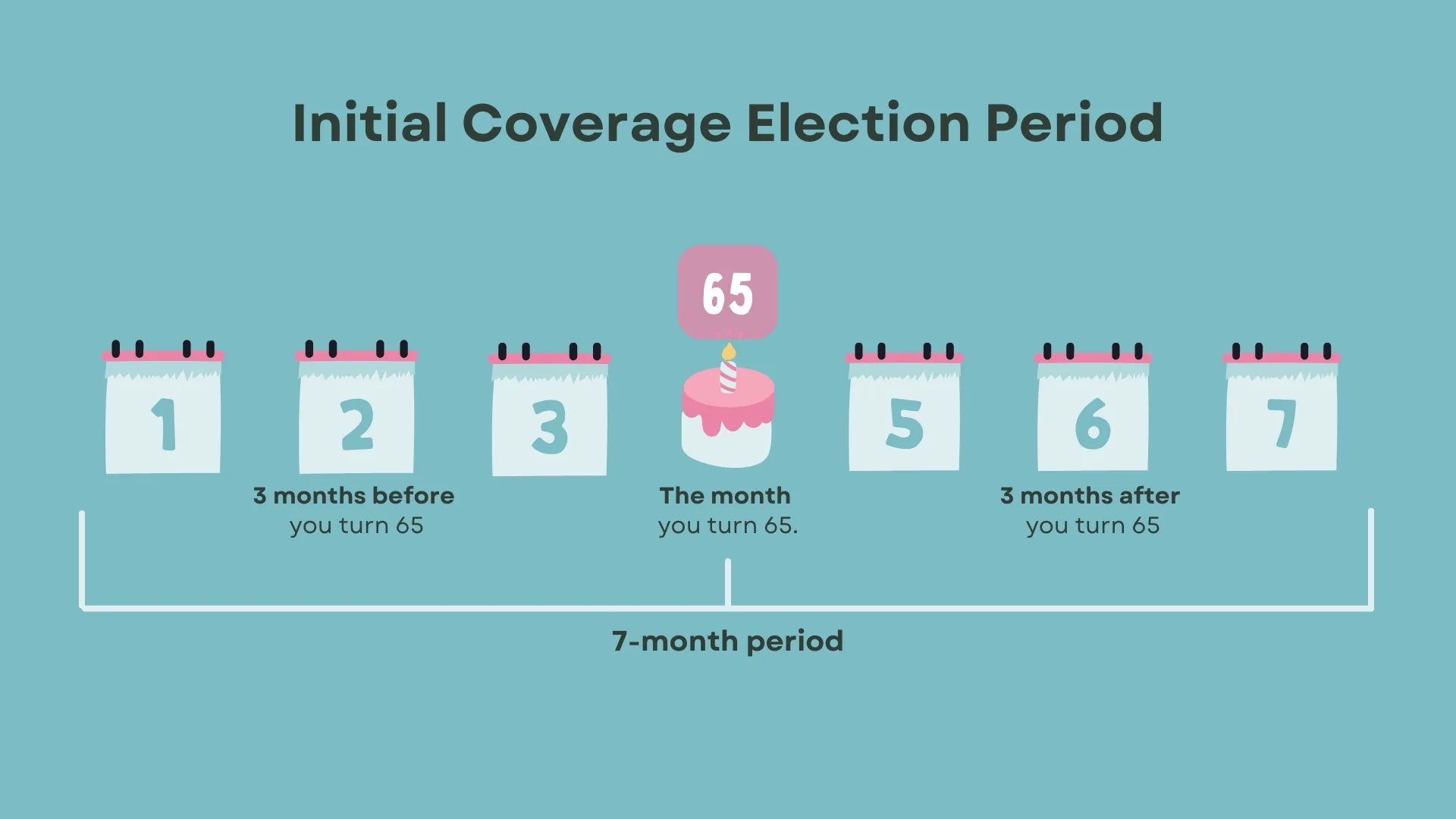
- Initial Enrollment Period (IEP): The IEP is the seven-month period when someone first becomes eligible for Medicare. This period includes the three months before the person’s 65th birthday, the month of their 65th birthday, and the three months after their birthday. If someone doesn’t enroll during this time, they may face a late enrollment penalty when they do enroll.
- General Enrollment Period (GEP): The GEP is from January 1 to March 31 of each year. During this period, someone who didn’t enroll in Medicare during their IEP can sign up for Part A and/or Part B. However, they may also face a late enrollment penalty, and coverage won’t start until July 1 of that year.
- Special Enrollment Period (SEP): Someone may qualify for an SEP if they have a life event that affects their health coverage. Some examples of life events that may qualify someone for an SEP include retiring from work, losing employer health coverage, moving out of the service area, or becoming eligible for Medicaid. The length of the SEP varies depending on the life event.
It’s important to note that if someone is already receiving Social Security benefits when they turn 65, they will automatically be enrolled in Medicare Parts A and B. However, if they don’t want Part B, they can decline it.
The Initial Enrollment Period is the seven-month period when someone first becomes eligible for Medicare. This period includes the three months before the person’s 65th birthday, the month of their 65th birthday, and the three months after their birthday. If someone doesn’t enroll during this time, they may face a late enrollment penalty when they do enroll.
— Centers for Medicare & Medicaid Services, CMS
In addition to Parts A and B, there are also other Medicare plans such as Part C (Medicare Advantage) and Part D (prescription drug coverage). Enrollment periods for these plans may differ from those for Parts A and B.
In conclusion, enrolling in Medicare at the right time is crucial to avoid penalties and gaps in coverage. The IEP, GEP, and SEP are the three main periods when someone can enroll in Medicare, and it’s important to understand the enrollment requirements and deadlines for each. If someone has any questions about Medicare enrollment, they should contact the Social Security Administration or visit Medicare.gov.